WASH Program Overview

Water, sanitation, and hygiene (WASH) are fundamental human rights. We work to ensure all communities have access to clean water and proper sanitation.

Water Access
Water Supply
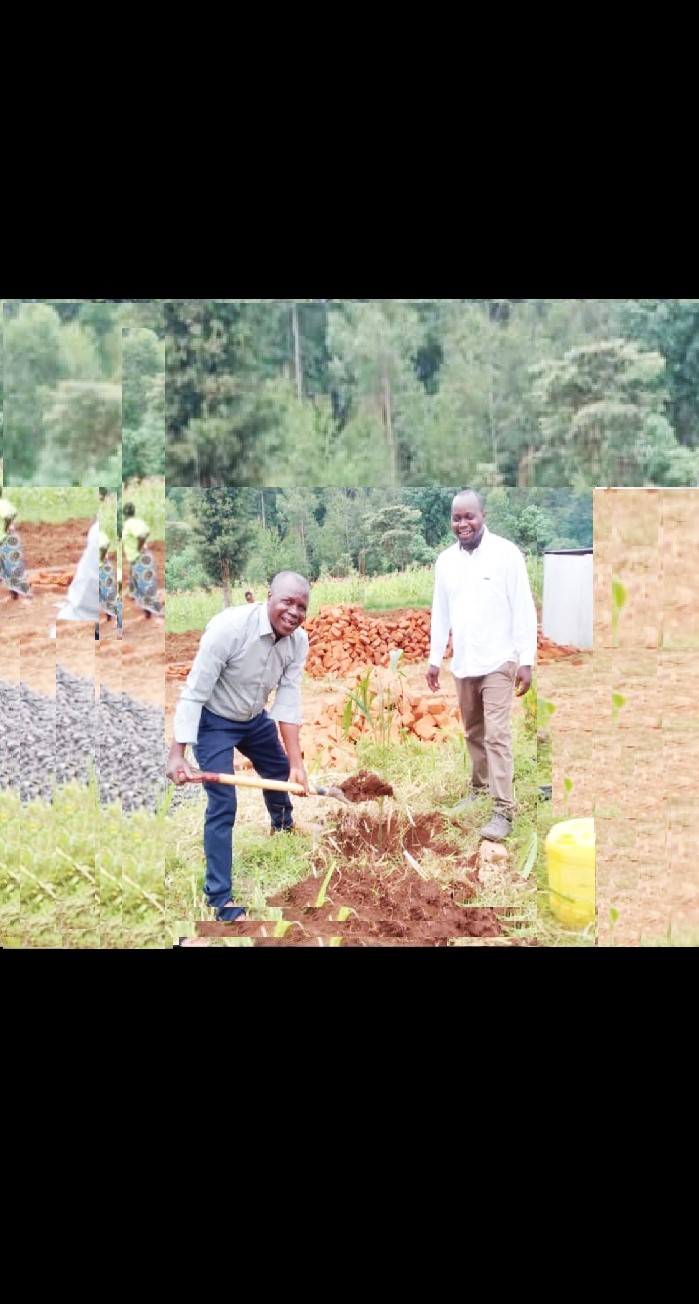
Building boreholes, wells, and water harvesting systems to provide reliable access to clean drinking water.
Sanitation
Sanitation Facilities
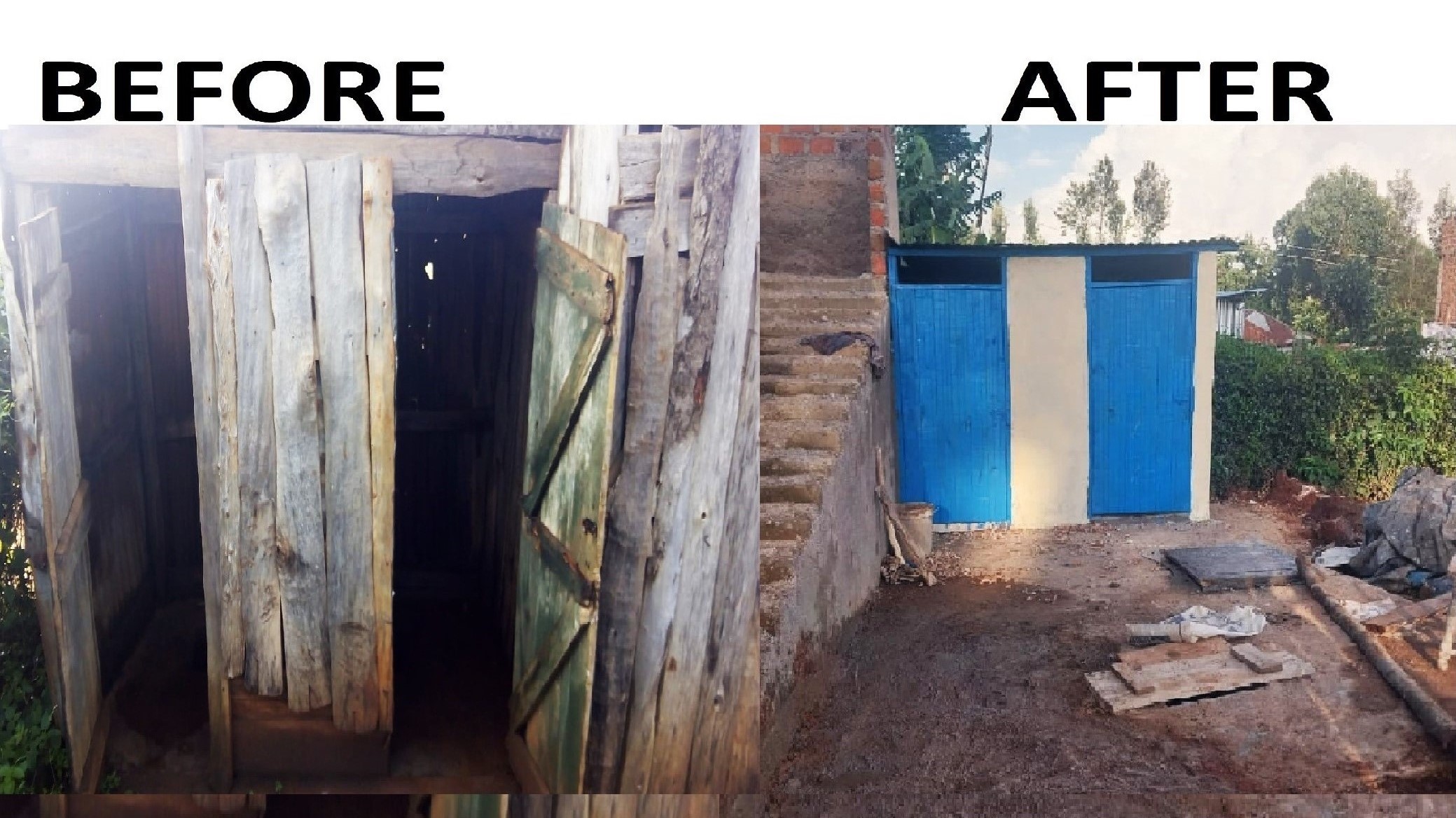
Constructing and maintaining proper toilets and washing facilities in schools and communities.
Hygiene Education
Hygiene Education
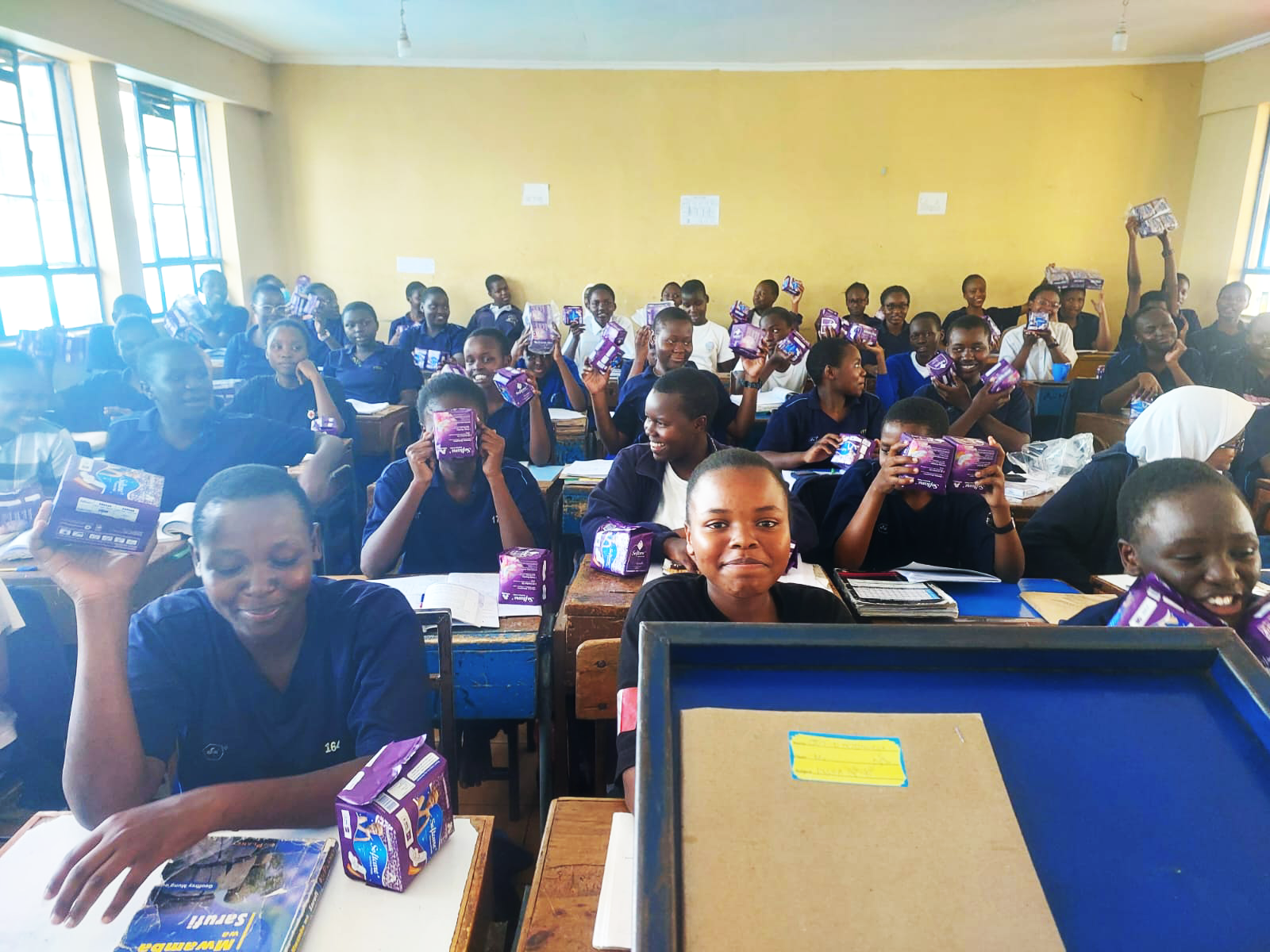
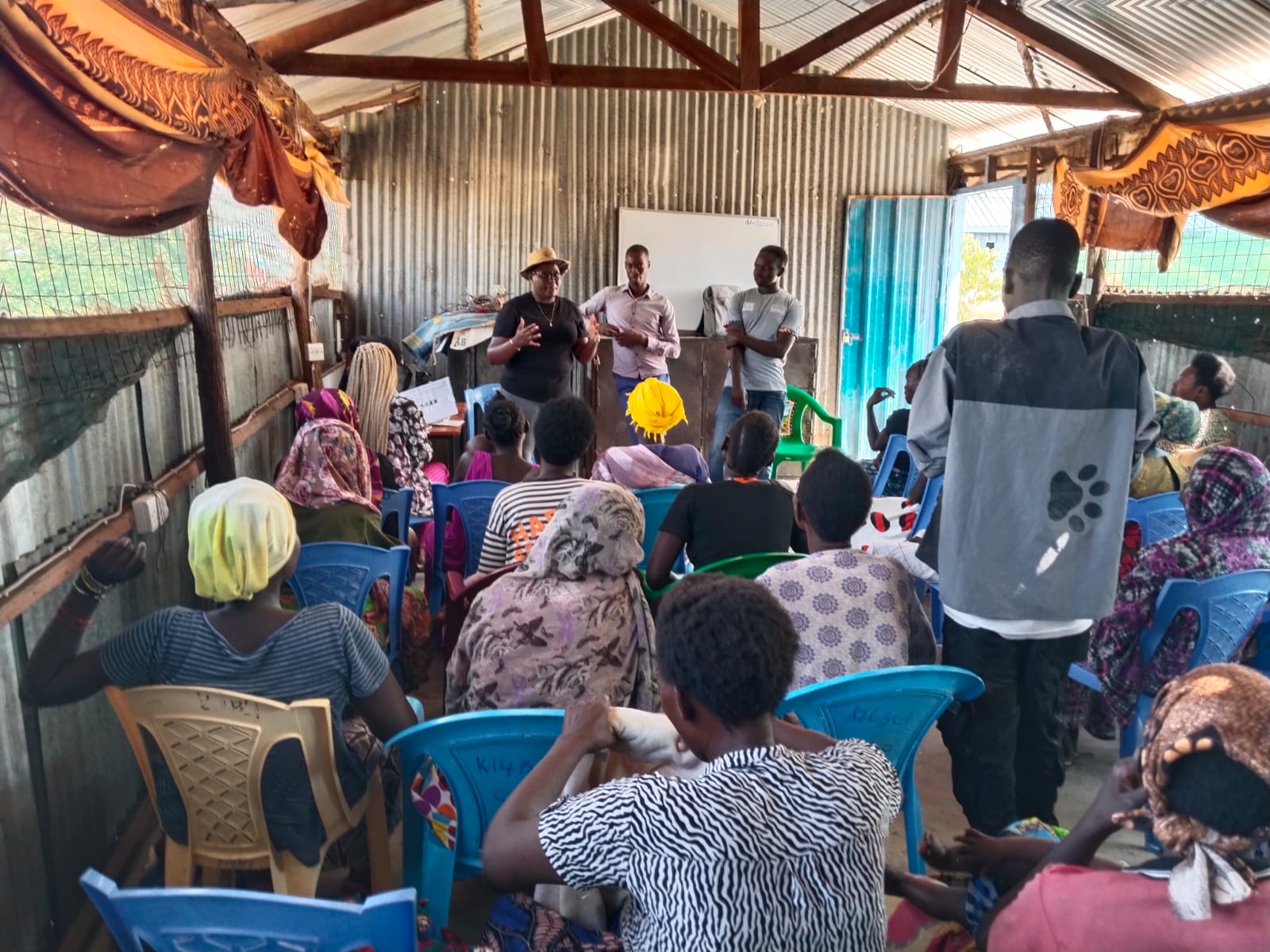
Training communities on handwashing, menstrual hygiene, food safety, and personal health practices.
School WASH
School WASH Programs
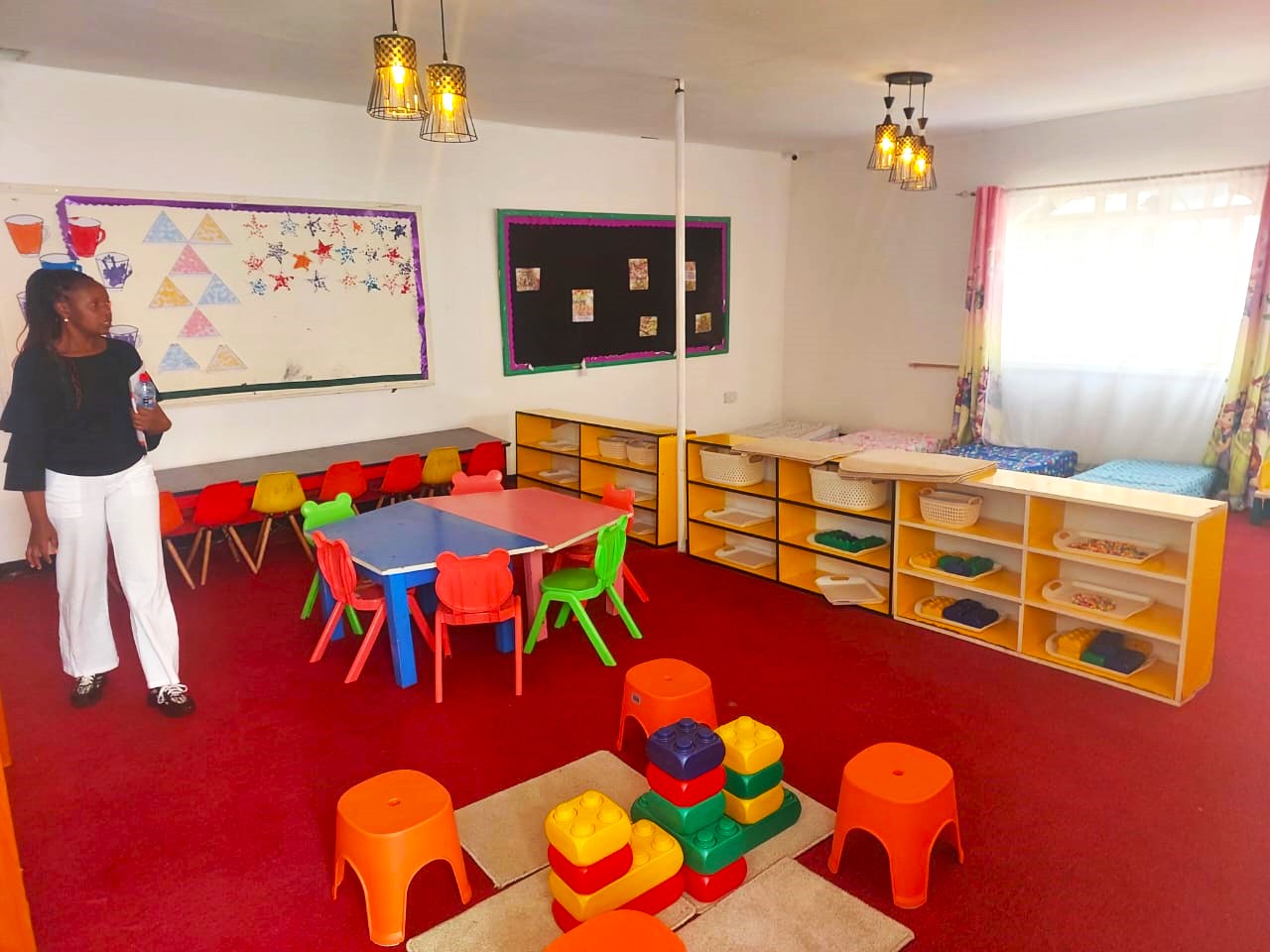
Implementing comprehensive WASH initiatives in schools to improve student health and attendance.
Maintenance
System Maintenance
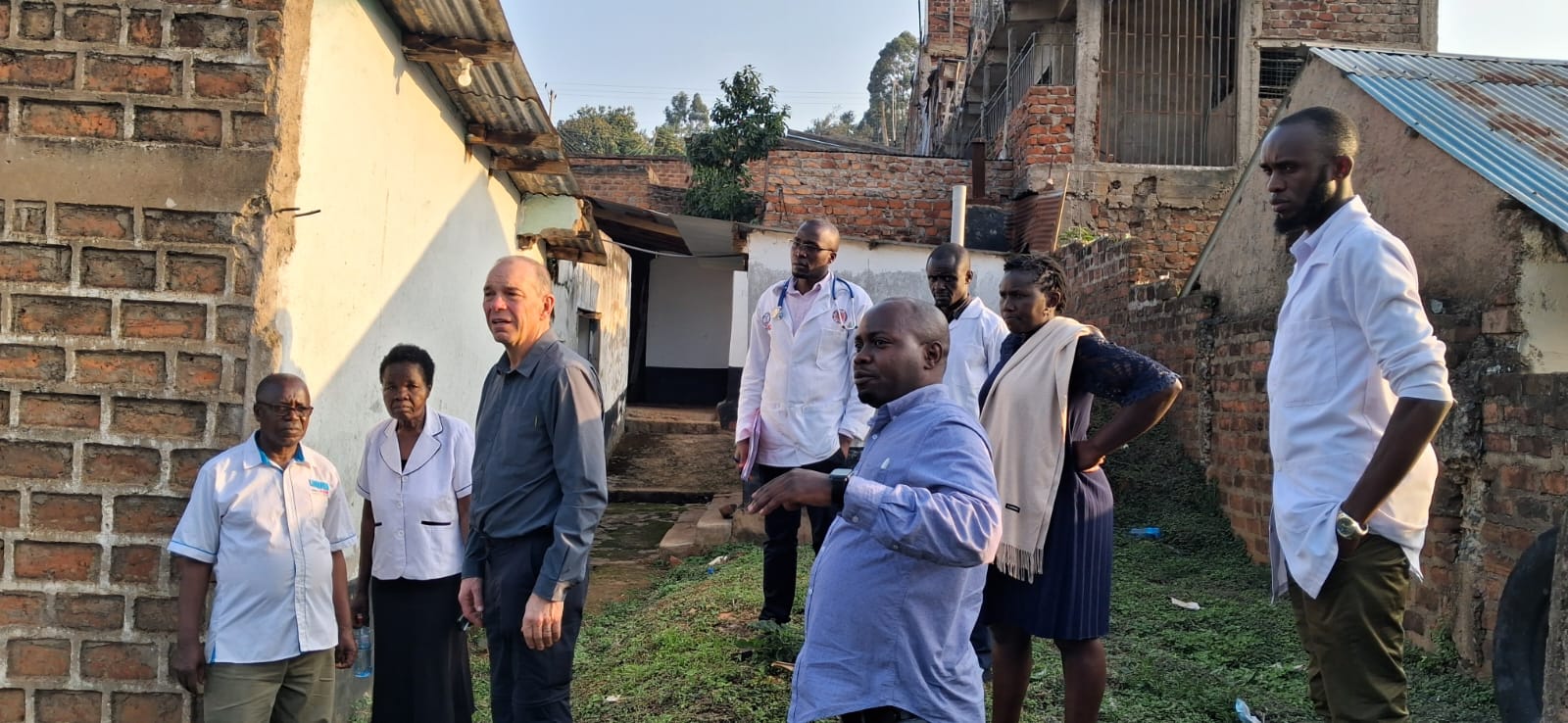
Establishing maintenance systems and training local teams to ensure long-term functionality of water systems.
Environmental Protection
Environmental Care
Protecting water sources and promoting environmental conservation for sustainable WASH services.

Why WASH Matters

Access to clean water and sanitation is a fundamental human right and critical for development. The lack of WASH services leads to preventable diseases, school absenteeism, and economic loss.

Our WASH programs have reached thousands of people, providing clean water, proper sanitation, and hygiene education. These interventions save lives, improve health, increase school attendance, especially for girls, and boost economic productivity.

WASH Impact

10,000+ People Benefited

Our WASH programs have directly improved water and sanitation access for over 10,000 people in rural communities.

Reduced Water-Borne Diseases

Communities with WASH programs experience a 50% reduction in water-borne illnesses like cholera and diarrhea.

Improved School Attendance

Girls' school attendance increased by 30% in schools with proper WASH facilities, particularly menstrual hygiene facilities.